Source Aluminium Kick Start Engine for Generators, Pumps, and Tiller
Compare 30 verified listings for the aluminium kick start engine, featuring single-cylinder gasoline models with recoil start and high-speed performance. Buyers can review specifications like 389CC displacement and 14HP power across various packaging options from Chinese manufacturers; compare the available evidence and request quotations based on your requirements.
Key considerations
Products List






Comprehensive Sourcing Guide
Aluminium Kick Start Engine Sourcing Guide
Procuring an aluminium kick start engine requires a disciplined approach to verifying mechanical integrity and operational reliability. Buyers must prioritize engines that balance lightweight construction with robust thermal management, ensuring the unit performs consistently under load. The presence of air-cooled systems and single-cylinder configurations suggests suitability for compact machinery where weight savings are critical. Understanding the specific ignition mode, whether recoil or electric, is essential for matching the engine to the end-user’s operational environment and maintenance capabilities.
Sourcing decisions should also account for the customization options available from manufacturers, particularly regarding packaging and branding. Many suppliers offer OEM packaging or specific carton box dimensions, which can streamline logistics and reduce storage overhead. Buyers need to confirm the exact model numbers, such as HL460 or HL420, to ensure compatibility with existing chassis or equipment designs. Verifying the origin of components, especially the engine core, helps in assessing the supply chain’s resilience and the potential for consistent quality control across production batches.
Product Scope and Observed Listing Signals
The current market listings indicate a diverse range of petrol engines, primarily featuring single-cylinder, four-stroke configurations. Observed specifications highlight models like the HL460 and HL210, which utilize air-cooling systems and naturally aspirated intake methods. These engines are typically designed for high-speed applications, with rated powers around 13-14 HP at 3600 RPM. The displacement figures, often cited around 389 CC, suggest a focus on mid-range power output suitable for small agricultural, construction, or portable power equipment. Buyers should note that while aluminium is implied by the keyword, the provided data emphasizes gasoline fuel types and specific cylinder arrangements.
Listing signals also reveal variations in physical dimensions and packaging standards. For instance, some models are packaged in cartons with specific single package sizes, such as 48x45x51 cm, indicating standardized shipping units. The presence of both recoil start and electric ignition options allows buyers to select based on user preference or automation needs. It is crucial to distinguish between the engine’s core components and auxiliary features, as some listings may include additional accessories or varying warranty terms. Buyers must carefully cross-reference the observed model numbers with their technical requirements to avoid mismatches in power delivery or physical fitment.
Technical Specifications to Verify
Verifying the technical specifications is paramount to ensuring the engine meets operational demands. Buyers should confirm the cylinder diameter and stroke dimensions, such as 88x64 mm, to calculate the exact displacement and compression ratio. The ignition type, often listed as T.C.I (Transistor Controlled Ignition), plays a critical role in starting reliability and fuel efficiency. Additionally, the oil capacity, typically around 1.1 liters, and fuel tank capacity, often 6 liters, must align with the intended usage duration and maintenance intervals. Misalignment in these fluid capacities can lead to premature wear or operational interruptions in the field.
Performance metrics such as maximum torque and rated service power require close scrutiny. For example, a torque of 21 N.m at 2500 RPM indicates the engine’s ability to handle heavy loads at lower speeds. Buyers should also verify the piston movement type, whether rotary or reciprocating, as this affects the engine’s vibration profile and longevity. The cooling system’s efficiency, particularly in air-cooled designs, must be assessed to prevent overheating during continuous operation. Ensuring that the speed ratings match the application’s requirements prevents issues related to underperformance or excessive wear on connected machinery components.
Compliance and Safety Documentation
Compliance with emission standards is a growing concern for international buyers, especially when exporting to regions with strict environmental regulations. Although some listings indicate "Other" emission standards, buyers must verify if the engine meets specific regional requirements, such as EPA or Euro standards, depending on the destination market. Documentation regarding the machinery test report is often marked as not available, which necessitates additional due diligence to ensure the engine has undergone necessary safety and performance evaluations. Buyers should request detailed test data or third-party certifications to validate the engine’s compliance and reliability.
Safety features and operational warnings must also be clearly documented. The ease of operation is a key selling point, but this should not compromise safety mechanisms such as automatic oil shutdown or emergency stop functions. Buyers should ensure that the engine includes clear labeling for fuel types, oil specifications, and maintenance procedures. Additionally, verifying the warranty terms, typically one year, provides a safety net against manufacturing defects. It is essential to confirm that the supplier provides comprehensive user manuals and safety guidelines in the buyer’s preferred language to facilitate proper installation and operation.
Cost Drivers and Commercial Terms
Several factors influence the cost of aluminium kick start engines, including the materials used, manufacturing complexity, and customization levels. The use of aluminium for the cylinder head or block can increase costs due to material expenses and machining requirements. Buyers should also consider the impact of packaging choices, such as OEM branding or specialized carton boxes, on the overall unit price. Minimum order quantities (MOQ) can range from 1 to 800 units, affecting the per-unit cost through economies of scale. Understanding these variables helps buyers negotiate better terms and plan their inventory management effectively.
Commercial terms, including payment methods and lead times, are critical for supply chain planning. Buyers should clarify whether the supplier offers flexible payment options and what the standard lead times are for production and shipping. The availability of customization, such as specific branding or packaging, may incur additional fees or extend lead times. It is advisable to establish clear communication channels with the supplier to address any potential delays or changes in order specifications. Additionally, buyers should consider the total landed cost, including shipping, duties, and insurance, to accurately assess the profitability of the procurement.
Supplier Qualification and Quality Control
Supplier qualification is essential to ensure consistent quality and reliable delivery. Buyers should verify the supplier’s production capabilities, including their experience with aluminium engine manufacturing and their quality control processes. The presence of core components like the engine itself suggests that the supplier may have in-house manufacturing or strong partnerships with component providers. Buyers should request information about the supplier’s quality management systems, such as ISO certifications, and their procedures for inspecting finished engines before shipment. This due diligence helps mitigate the risk of receiving defective or non-compliant products.
Quality control measures should extend to the packaging and shipping process to prevent damage during transit. Buyers should confirm that the supplier uses appropriate packaging materials, such as sturdy carton boxes, to protect the engine from impact and moisture. Additionally, verifying the supplier’s track record and customer feedback can provide insights into their reliability and customer service quality. Buyers should also establish clear criteria for accepting or rejecting shipments based on pre-defined quality standards. Regular audits or third-party inspections may be necessary for large orders to ensure ongoing compliance with quality expectations.
Long-Term Procurement Checks
Long-term procurement success depends on establishing a robust relationship with the supplier and implementing continuous improvement strategies. Buyers should regularly review the supplier’s performance metrics, including on-time delivery rates, product quality, and responsiveness to issues. Building a partnership based on mutual trust and clear communication can lead to better pricing, priority production, and access to new product developments. Buyers should also stay informed about industry trends and technological advancements in engine design to ensure their procurement strategy remains competitive and relevant.
Continuous monitoring of the supply chain is crucial to identify potential risks and opportunities for optimization. Buyers should diversify their supplier base to reduce dependency on a single source and ensure business continuity in case of disruptions. Additionally, implementing a feedback loop with end-users can provide valuable insights into the engine’s performance in real-world applications, guiding future procurement decisions. By maintaining a proactive approach to supplier management and quality assurance, buyers can secure a reliable supply of high-quality aluminium kick start engines that meet their operational needs.
FAQs
What engines are available under the aluminium kick start engine category?
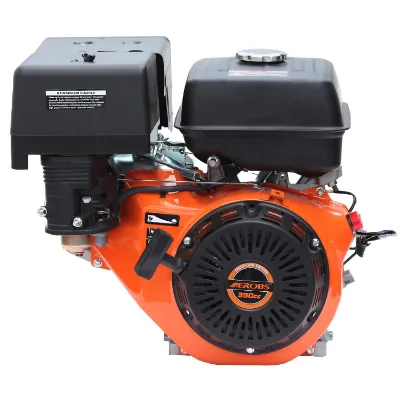
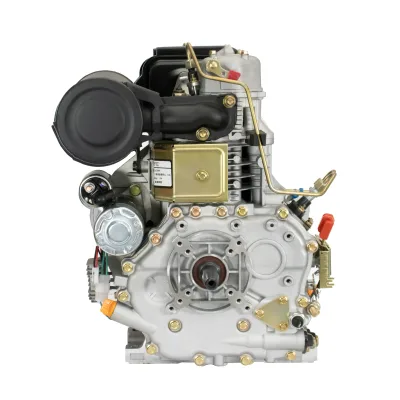
This category features petrol kick start engines such as models HL210, HL420, HL460, and BS390. They are single-cylinder, four-stroke, air-cooled units with electric or recoil ignition options. Listings indicate a displacement of 389cc, 14HP rated power at 3600rpm, and max torque of 21N.m at 2500rpm on representative models. Confirm the exact specification of each model before ordering.
Can these aluminium kick start engines be customized with my own brand?
Yes, customization is available according to the product listings. Suppliers offer LPI brand or OEM packaging, and some listings state the brand name can be AEROBS or customized to your requirements. Packaging options include carton boxes. Discuss branding, labeling, and packaging details with the supplier before placing an order so production and packing match your market needs.
Which starting method do the petrol engines in this category use?
Listings show both recoil start and electric ignition configurations. The BS390 model is described with recoil start and T.C.I ignition type, while other models list electric ignition. When comparing options, confirm which starting method the specific engine model uses, as this affects operation convenience and the suitability of the engine for your intended equipment or application.
How are the engines packed and what are the package dimensions?
Engines are packed in carton boxes, with LPI brand or OEM packaging available. Representative package dimensions include 376*312*335mm for the HL460, 450*405*443mm for the HL420, and 48X45X51 cm for a 389cc model with a single gross weight of 33kg. Check the packing details for your chosen model when calculating freight and warehouse handling costs.
What warranty and testing documentation do suppliers provide?
The listed engines carry a one-year warranty according to the product listings. However, the machinery test report is marked as not available in the observed listing details, so documentation support may vary by supplier. Before ordering, ask the supplier to confirm warranty terms, what the warranty covers, and whether any inspection or test documentation can be arranged for your shipment.
How powerful are the 389cc aluminium kick start engines for equipment use?
Representative listings describe 389cc, four-stroke petrol engines rated at 13/3600 KW/rpm or 14HP at 3600rpm, with max torque of 21N.m at 2500rpm. Bore and stroke are 88*64mm, and key selling points include easy operation. This output range suits generators, pumps, and small machinery. Verify rated power figures for the exact model you intend to purchase.
Where are these petrol kick start engines manufactured and shipped from?
Listings indicate the engines originate in China, with specific origins noted as Fuzhou, China for some models and Chongqing, China for the BS390 listing. Fuel tank capacity is listed at 6 liters and oil capacity at 1.1 liters on representative models. Confirm the shipping origin with your chosen supplier, as it affects freight cost, transit time, and port arrangements.
What should buyers confirm before ordering a kick start engine?
Confirm the model number, displacement, rated power, starting method, and packing requirements for the specific engine you need. Listings show customization is available and packaging can be LPI brand, OEM, or carton box. Also verify MOQ, unit pricing, warranty terms, and whether the supplier can support replacement parts. Requesting a sample or pre-shipment inspection helps validate quality before bulk orders.